
Guiding children through key developmental milestones
Navigating growth phases brings unique challenges. Understanding these transitions helps caregivers meet evolving physical and emotional needs effectively.
Establishing consistent daily routines and rhythms
Predictable schedules provide security and immense developmental impact. Structure allows young minds to predict their environment and build self-regulation skills confidentially.
Optimizing morning rituals for school readiness
Structured habits regulate cortisol levels effectively. A nutritious breakfast sequence sets a calm tone for focus and learning.


Facilitating evening sleep hygiene transitions
Reducing blue light exposure signals melatonin production. This winding-down phase is crucial for memory consolidation and restorative sleep cycles.

Nurturing parent-child relationships via active listening
Secure attachment forms the bedrock of emotional intelligence and future social competence.
Responsive caregiving builds bonds when adults answer emotional cues consistently. Beyond supervision, attuned parenting involves mirroring feelings without judgment. Whether in a London flat or Sydney home, these interactions validate that their internal world matters. Trust forged here creates a safe base for confident exploration and resilience when overwhelmed.
Navigating academic milestones and curriculum standards
School systems across English-speaking nations emphasize personalized learning over rigid comparisons. Recognizing individual pacing prevents anxiety and fosters a genuine love for learning.

Deciphering early literacy assessments
Reading readiness requires more than decoding phonics. Phonemic awareness and vocabulary acquisition are prerequisites for fluent reading comprehension.
Standardized testing captures only a snapshot. True academic potential appears through inquiry-based projects and critical thinking applied to STEM scenarios. Educators now prioritize collaborative soft skills alongside numeracy. This prepares students for dynamic future careers rather than just memorizing static facts for exams.
Stimulating cognitive and motor skill development
Neural pathways multiply during play-based learning. Manipulating objects builds spatial reasoning, while imaginative play strengthens executive function and essential planning skills.
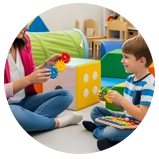
Refining fine motor skills coordination
Grasping utensils or threading beads refines hand-eye coordination and dexterity essential to optimize handwriting.

Encouraging complex problem-solving logic
Logic puzzles and STEM blocks challenge the brain to recognize patterns and structural engineering concepts.

Boosting creative language acquisition
Narrative storytelling and role-play expand vocabulary and help children articulate abstract emotions effectively.
Prioritizing child mental and physical well-being
Sedentary lifestyles limit movement, making daily physical activity vital for metabolic health. Holistic well-being encompasses nutritional literacy and stress management. Teaching children to identify signs of burnout empowers them to seek rest proactively. A balanced approach integrates outdoor play, whole foods, and dialogue about mental health.
Balancing individual needs within family life
A cohesive family unit thrives on shared values. Balancing collective activities with personal space prevents parental burnout and resentment among household members.

Cultivating shared family hobbies

Organizing weekly family meetings

Respecting personal boundaries